The Function of Aluminum Casting beforehand Lasting Manufacturing Practices
Aluminum casting acts as an important aspect in advertising lasting manufacturing methods. Its capability to create top notch parts with a reduced ecological impact is impressive. The process not just sustains power effectiveness however additionally substantially boosts recyclability. Difficulties remain in totally realizing its potential. Exploring the innovations in aluminum casting innovation might expose options that straighten producing with sustainability goals. The ramifications of these improvements are worth thinking about.
Comprehending Aluminum Casting and Its Refine
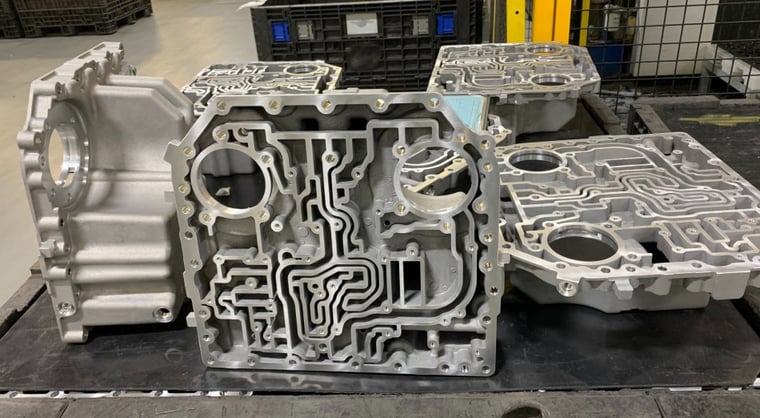
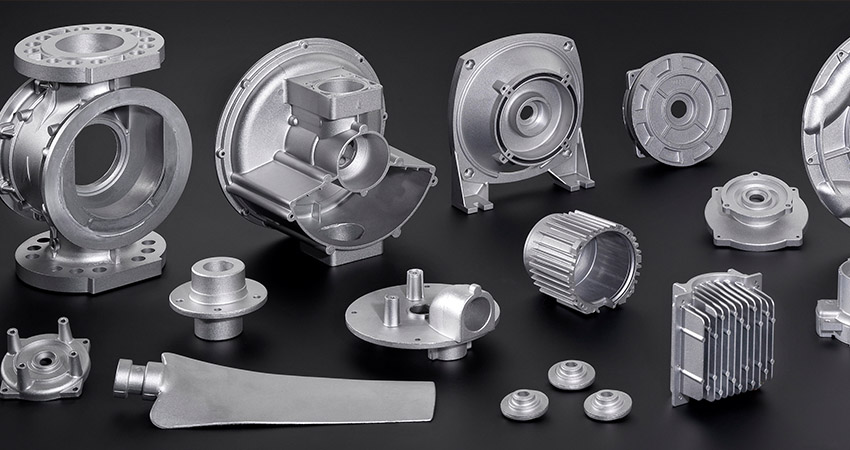
Aluminum casting has actually been an essential process in manufacturing for years, its significance continues to grow in numerous industries due to its versatility and efficiency. This process involves pouring molten aluminum into molds to create intricate shapes and elements, making it ideal for generating lightweight yet sturdy items. The aluminum casting procedure can be classified right into numerous approaches, including sand casting, die casting, and investment casting, each offering unique advantages suited to specific applications.
Throughout the casting procedure, aluminum is warmed to its melting factor, allowing it to flow conveniently into mold and mildews that define the final shape. As soon as cooled down, the aluminum solidifies, leading to a strong and accurate element. The capacity to create complicated geometries with marginal waste underscores aluminum casting's role in contemporary production - Aluminum Castings. As industries seek cutting-edge solutions, comprehending this procedure comes to be vital for maximizing production and satisfying the demands of an evolving market
Environmental Benefits of Aluminum Casting
As markets significantly focus on sustainability, the environmental benefits of aluminum casting come to be extra pronounced. One considerable benefit is the material's recyclability; aluminum can be reused consistently without degrading its quality. This decreases the quantity of waste sent out to land fills and minimizes the need for virgin materials, saving natural sources. In addition, the aluminum casting process produces less greenhouse gas discharges compared to other steel casting approaches, adding to reduced total environmental effect.
One more advantage depends on the light-weight nature of aluminum, which causes fuel efficiency in transport applications. By making use of aluminum elements, makers can reduce car weight, resulting in reduced gas usage and discharges throughout operation. Furthermore, improvements in aluminum casting innovations have actually caused a reduction in harmful waste manufacturing, enhancing overall environmental safety. Collectively, these factors setting aluminum casting as a principal in advertising sustainable production practices and meeting ecological objectives across various industries.
Energy Effectiveness in Aluminum Manufacturing
Power effectiveness plays an essential role in aluminum production, significantly influencing total sustainability. By taking on cutting-edge casting methods and integrating renewable power sources, manufacturers can achieve minimized power usage throughout the manufacturing procedure. This change not just decreases operational prices however additionally adds to a more eco-friendly industry.
Reduced Energy Intake
While the aluminum manufacturing industry has actually generally been energy-intensive, current advancements have actually substantially enhanced power effectiveness throughout the production process. Innovations in smelting modern technology and the adoption of high-efficiency heaters have significantly reduced power intake. These improvements permit makers to use less power per unit of result, decreasing greenhouse gas discharges and lowering operational prices. In addition, the combination of sustainable power resources right into manufacturing facilities further adds to lowered reliance on nonrenewable fuel sources, advertising sustainability. Executing sophisticated insulation products and enhancing warm recovery systems additionally plays a crucial role in taking full advantage of power effectiveness. Because of this, the aluminum industry is making substantial strides toward reducing its overall ecological impact while satisfying the increasing need for sustainable techniques in production.
Innovative Casting Techniques
Ingenious casting techniques are changing the aluminum manufacturing landscape, enhancing both efficiency and sustainability. Advanced techniques such as die casting and investment casting minimize product waste and improve dimensional precision, bring about decreased power usage throughout the manufacturing process. Techniques like rapid solidification and semi-solid handling allow for far better control over metallurgical buildings, resulting in lightweight and high-strength components. Furthermore, the implementation of computer simulations and automation in casting procedures optimizes cycle times and lowers flaw rates. These developments not only enhance production however additionally add to the circular economic climate by enabling the recycling of aluminum scrap right into premium products. As a result, the aluminum industry is poised to fulfill expanding demands while adhering to sustainable production practices.
Renewable Resource Combination
A considerable change in the direction of eco-friendly power combination is improving energy efficiency in aluminum manufacturing. This adjustment includes making use of solar, wind, and hydropower sources to lower dependence on fossil fuels, significantly reducing carbon exhausts. Facilities are significantly taking on energy-efficient innovations, such as innovative electrolytic procedures, which enhance power consumption during aluminum manufacturing. By taking advantage of renewable resource, manufacturers not just lower functional prices yet likewise enhance their sustainability accounts. Furthermore, smart grid innovations help with the smooth assimilation of eco-friendly sources, enabling for even more stable energy materials. As the industry welcomes these technologies, the aluminum field is placed to lead in lasting practices, showing a dedication to ecological stewardship while satisfying enhancing worldwide demand for lightweight, high-performance products.
The Recyclability of Aluminum and Its Influence
Aluminum's recyclability uses considerable advantages in sustainable production, enabling boundless recycling without loss of quality. This building not just decreases waste but also boosts energy effectiveness during the reusing procedure. Therefore, the impact on both the environment and production costs is extensive, making aluminum a favored material in eco-conscious markets.
Infinite Recycling Potential
Several products shed top quality with reusing processes, aluminum stands out due to its boundless recyclability, which substantially contributes to sustainable manufacturing practices. This distinct characteristic enables aluminum to be reused repetitively without deteriorating its residential or commercial properties, making it a beneficial resource in different sectors. The lifecycle of aluminum begins anew with each recycling effort, conserving resources and minimizing waste. This not just reduces the environmental effect but likewise promotes a circular economic situation where aluminum can be recycled many times. The high need for recycled aluminum further highlights its value in sustainable manufacturing, as it boosts source effectiveness and promotes an environment-friendly method to manufacturing. Inevitably, the boundless reusing capacity of aluminum plays a significant role beforehand lasting techniques throughout industries.
Power Effectiveness Perks
Substantial power financial savings are understood via the recycling of aluminum, highlighting its duty in lasting manufacturing. Recycling aluminum requires only 5% of the power needed to produce new aluminum from raw products. This significant decrease in power intake translates into lower greenhouse here are the findings gas exhausts, contributing to ecological sustainability. The power effectiveness of aluminum recycling not only saves resources yet also minimizes functional prices for suppliers, making it an economically practical choice. Furthermore, the procedure of reusing aluminum can be integrated into existing manufacturing lines without considerable disturbance, enhancing general efficiency. As sectors significantly prioritize sustainability, the recyclability of aluminum positions it as a vital gamer in advancing energy-efficient production methods, promoting a round economic situation and advertising liable source management.
Challenges Encountering Aluminum Casting in Lasting Practices
While the aluminum casting industry has actually made strides towards sustainable techniques, several obstacles stay that prevent its progress. One substantial problem is the high go to my blog energy intake related to traditional casting techniques, which frequently relies on fossil gas. This reliance not just boosts functional costs yet likewise adds to greenhouse gas discharges. Additionally, the reusing procedure for aluminum can be inefficient, bring about material loss and boosted waste. An additional challenge is the restricted availability of lasting raw materials, as sourcing recycled aluminum can be challenging and pricey. Moreover, regulative stress and varying environmental requirements throughout regions complicate compliance initiatives, making it testing for companies to embrace consistent lasting techniques. Lastly, labor force training stays inadequate, with lots of staff members lacking the required abilities to implement innovative, environmentally friendly strategies in casting procedures. Addressing these challenges is essential for the aluminum casting sector to totally realize its possibility in lasting manufacturing.
Technologies in Aluminum Casting Innovation
To get rid of the challenges encountered in lasting techniques, the aluminum casting industry is witnessing a wave of technologies targeted at improving effectiveness and lowering ecological impact. Advanced casting approaches, such as 3D printing and pass away casting, are being embraced to minimize product waste and enhance precision. These modern technologies make it possible for producers to create intricate geometries with less aluminum, consequently conserving sources.
Additionally, the assimilation of reusing techniques, consisting of closed-loop systems, assists in using scrap aluminum, significantly reducing power usage contrasted to main aluminum manufacturing. Improved mold layouts and layers are additionally adding to sustainability by boosting thermal effectiveness and reducing discharges throughout the casting process.
In addition, automation and wise production modern technologies are being carried out to optimize production procedures, leading to reduced cycle times and power usage. Jointly, these innovations stand for a considerable shift in the direction of even more sustainable methods within the aluminum casting field, aligning with wider ecological goals.
Future Potential Customers for Lasting Production With Aluminum Casting
As the need for lasting manufacturing methods increases, the aluminum casting sector is positioned to play an essential function in shaping a greener future. The industry is increasingly adopting reusing procedures that significantly decrease waste and energy consumption, straightening with international sustainability objectives. Developments such as low-energy casting techniques and making use of recycled aluminum not just lessen carbon impacts yet likewise improve the overall performance of manufacturing.
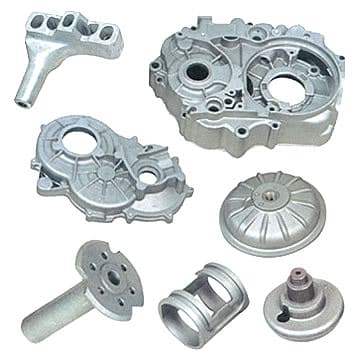
As sectors look for to follow stricter ecological laws, the aluminum casting market stands prepared to offer sustainable remedies, positioning itself as a principal in the change in the direction of green production techniques in various markets, including vehicle and aerospace.
Regularly Asked Concerns
Exactly How Does Aluminum Casting Compare to Other Metal Casting Methods?
Aluminum casting typically offers benefits such as reduced melting points and exceptional recyclability contrasted to various other metal casting methods. Its light-weight nature and excellent rust resistance better improve its allure in numerous manufacturing applications.
What Industries Advantage The Majority Of From Aluminum Casting?
Different industries, including auto, aerospace, and durable goods, considerably benefit from aluminum casting - Aluminum Castings. This technique's light-weight, corrosion-resistant residential or commercial properties boost product performance while permitting intricate styles, making it an eye-catching alternative for producers looking for efficiency and development
Can Aluminum Casting Be Used for Complex Styles?
Aluminum casting can effectively fit complex designs as a result of its adaptability and ability to develop intricate shapes. This process enables suppliers to develop light-weight, sturdy parts appropriate for various applications throughout different sectors, boosting technology and performance.
What Is the Lifespan of Aluminum Cast Products?
The lifespan of aluminum cast products generally varies from several years to over a century, depending on elements such as environmental conditions, maintenance, and the certain application. Longevity makes them suitable for various lasting uses.
Just How Does Aluminum Casting Effect Job Development in Manufacturing?
Aluminum casting substantially contributes to job production in manufacturing by fostering experienced labor possibilities, sustaining local economic situations, and motivating technological advancements. This procedure not only improves production performance but also advertises labor force growth and training campaigns.
Comments on “The future outlook for Aluminum Castings in sustainable engineering”